
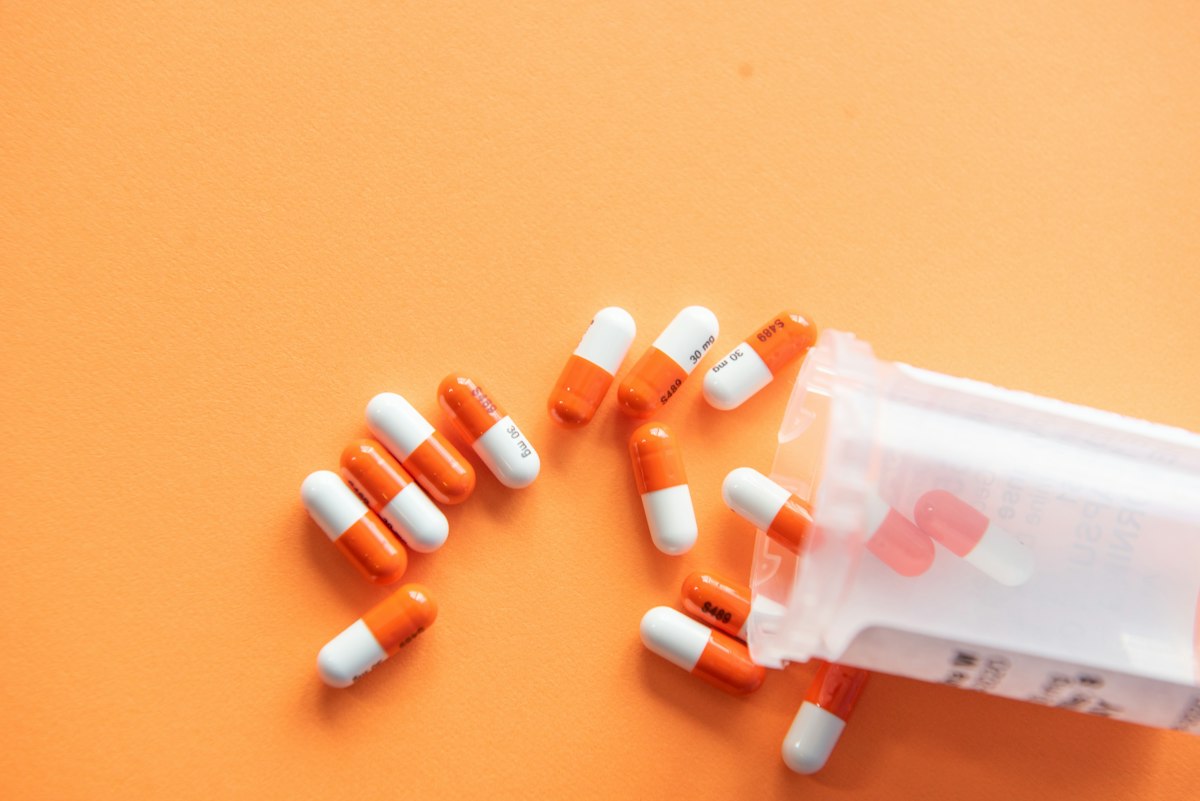
Spanish pharmacies are a genuinely useful part of the health system. They are staffed by qualified pharmacists, they can advise on minor problems and they are open long hours. Knowing what they can and cannot do saves a lot of unnecessary appointments.
The green cross and how to spot a pharmacy
Look for the illuminated green cross, which marks a farmacia. Pharmacies are licensed and clustered, so you will often find two or three on the same street. The staff are used to visitors and most will help in English, especially in cities and coastal areas.
What you can get without a prescription
A great deal, and often cheaper than you expect.
- Painkillers and anti inflammatories in small pack sizes
- Cold, cough and allergy medicines
- Stomach remedies and rehydration sachets
- Basic antibiotics are not available without a prescription, which is deliberate and important
- Contraception, sunscreen and travel health items
- Dressings, supports and basic first aid supplies
Paracetamol is sold in small boxes and the pharmacist will ask how many you want. Buying a larger quantity than usual may prompt a question, which is normal.
Prescriptions and the subsidy system
If you are covered by the public system, prescriptions are issued electronically and linked to your health card. You take the card to any pharmacy and they can see what has been prescribed. The price you pay depends on your situation. Working people usually pay a percentage, pensioners and some chronic patients pay much less, and some medicines are free.
Private prescriptions work differently. You pay the full price and claim on your insurance if your policy allows it.
The pharmacist as a first stop
For a rash, a minor infection, a sprain or a persistent cough, the pharmacist is often the fastest and most sensible starting point. They can tell you whether something needs a doctor and they will say so plainly if it does. They will not prescribe antibiotics casually, and that is a good thing.
Opening hours and out of hours pharmacies
Standard hours are usually half past nine to two and five to half past nine, with many city pharmacies open all day. Each area has a rota of pharmacies open at night and at weekends, published on the door of every pharmacy and on regional websites. In larger towns there is always one within reach.
What to do in an emergency
For anything urgent, call 112. The operator handles Spanish and English and will send the right service. For non urgent advice outside pharmacy hours, the regional health line can help, and many regions offer a twenty four hour number printed on the health card.
A few phrases that help
- Tengo dolor aquí, which means I have pain here
- Necesito algo para la tos, which means I need something for a cough
- Soy alérgico a la penicilina, which means I am allergic to penicillin
- ¿Tiene algo sin receta? which asks whether something is available without a prescription
Write down your regular medicines and any allergies in Spanish and keep the note in your wallet. It is the single most useful thing you can carry in a Spanish pharmacy.